What can I do next?
As a patient or caregiver, you can play an active role in PTLD care. You know your needs and limits best — it’s okay to rely on others and ask for support.
 Take care of your mental health and well-being
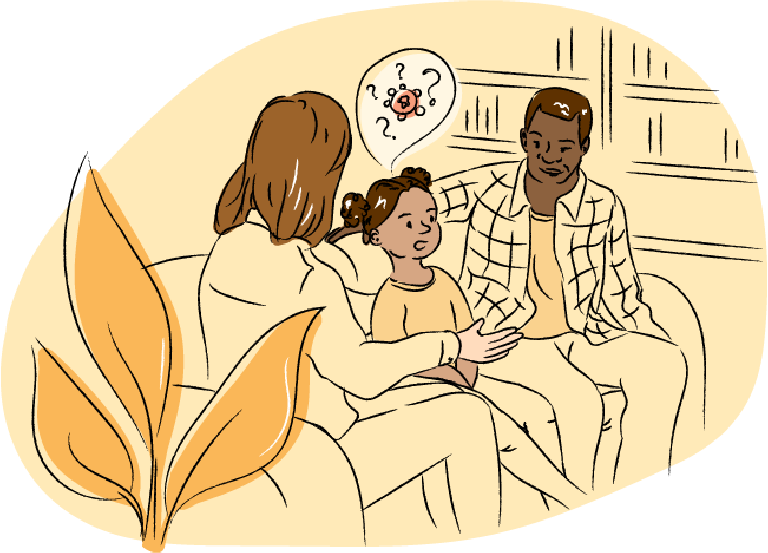
Dealing with a serious health issue is especially hard when you've already been through a transplant. Remember to be kind to yourself.
You can try:
- Giving yourself time to process your feelings — anger, denial, fear, and anxiety are all valid.
- Writing in a journal or talking with friends, family, or a professional.
- Setting a realistic goal for yourself each day.
- Focusing on eating well, staying active, and sleeping well.
- Finding and doing what brings you joy and positive energy, like:
- Going outside for some sun, a walk, or a run.
- Spending time with friends and family.
- Reading your favorite book.
- Listening to music.
- Avoiding people or things that bring you down.
Learn
about PTLD
Everyone learns differently and at a different pace. You can also choose how much you want to learn.
Find what’s most comfortable for you.
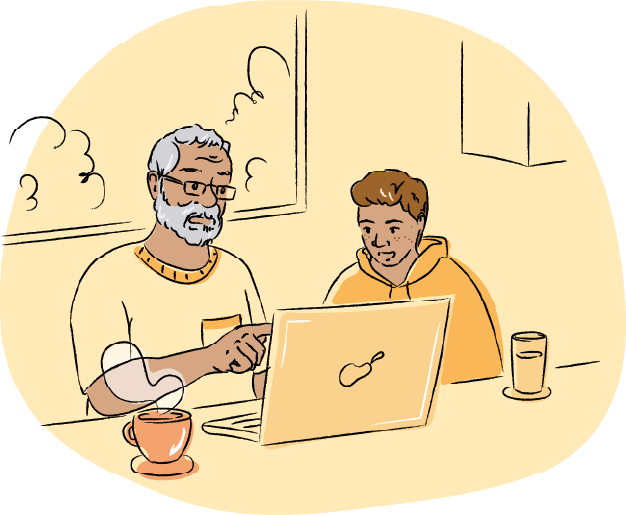
You can learn about PTLD by:
- Asking your transplant team.
- Reading this website.
- Reaching out to organizations that offer educational support.
- Noticing early symptoms.
- Preparing for treatment.
- Bringing up concerns, wants, goals, and questions to your transplant team.
You can also share what you've learned with others. It may help them understand what you’re going through and how they can support you.

Young patients may feel more comfortable with what’s going on if they understand what PTLD is. If they are
interested, the What causes EBV‑positive PTLD? video explains EBV+PTLD through animated characters, simple
language, and pictures.
Reach out
for support
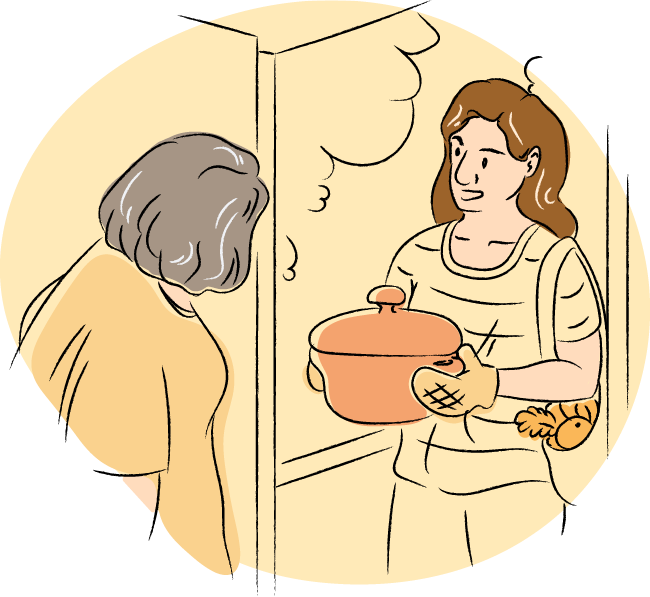
It’s okay to rely on others for support. It can feel uncomfortable, but you might be surprised by how happy people are to help, even if they’ve helped before. Small things can make a difference, like:
- Picking up groceries.
- Preparing meals.
- Coming with you to an appointment.
- Helping with rides or travel arrangements.
- Catching up or spending time together.